 PropAce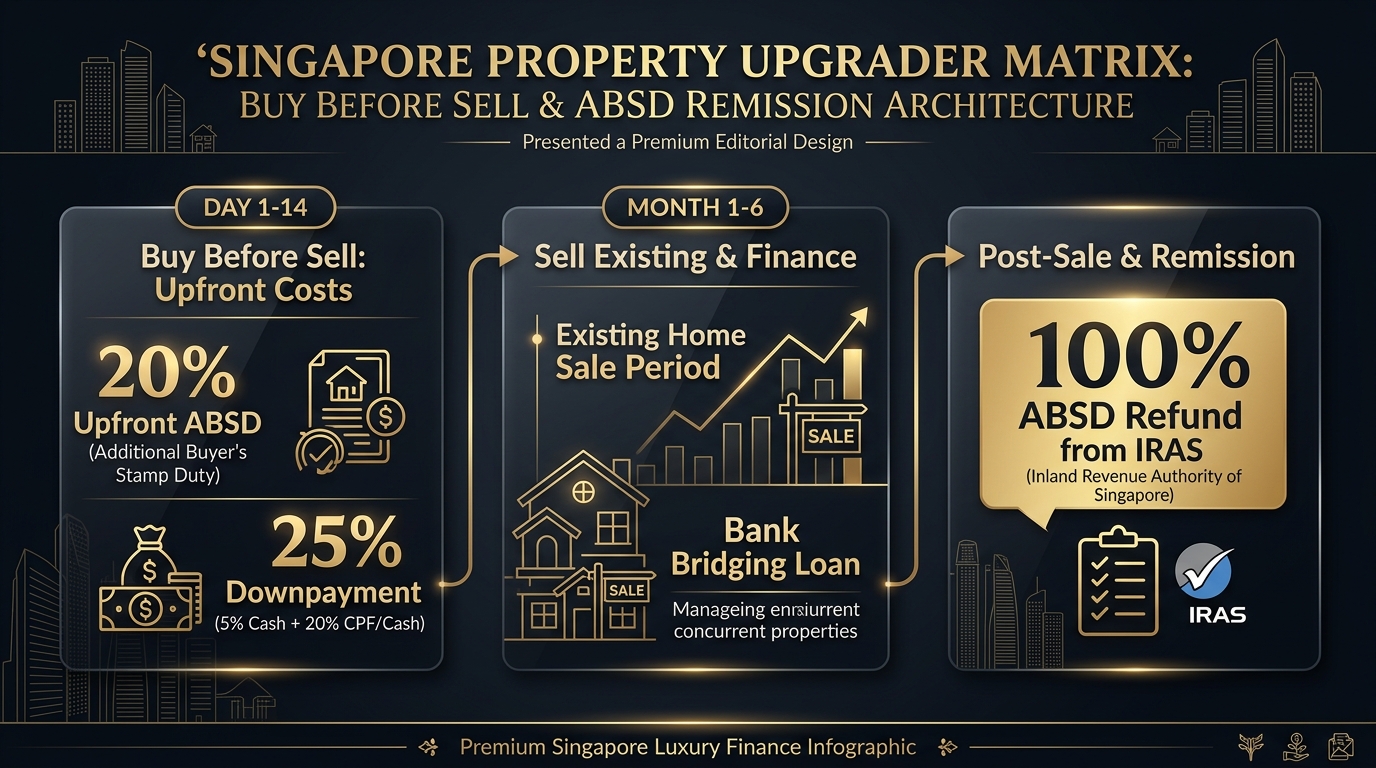
Supply, demand, and policy shifts shape a polarized market
Singapore’s private residential market in 2026 is marked by a clear divide: prices are surging in high-demand districts like Jurong and the West Region, while affordability concerns and slower growth in older condos signal a cooling in other areas. With land supply picking up, interest rates stable, and demand resilient, the market remains a tale of two trends.
Jurong and the West Region: Price Growth Driven by Supply and Demand
The Jurong Lake District is a standout area, with land supply set to rise in the second half of 2026. The launch of a major parcel in July 2026 is expected to inject fresh supply into a market already seeing strong demand. According to StackedHomes, private home prices in Jurong have tracked the broader market’s 5.47% annualized growth over the past decade, with newer developments like the Jurong East area seeing sharp appreciation.
Meanwhile, the West Region—specifically Bukit Batok, Bukit Panjang, and Choa Chu Kang—has emerged as a hotbed for price growth. These areas, historically seen as affordable, have defied expectations, with annualized price increases of 5.47% since 2016. StackedHomes’ analysis highlights that even older ECs in these suburbs are outperforming, with some 25-year-old units fetching over $1.39 million. The resilience is attributed to strong demand from first-time buyers and investors seeking stable returns.
Woodlands and HDB Resales: Affordable Towns See Steady Appreciation
While newer districts dominate the price surge, affordable towns like Woodlands are also seeing solid gains. HDB resale prices in Woodlands have climbed steadily, with four-room flats rising from $461,500 in 2022 to $550,000 in H1 2026. Five-room flats have similarly jumped to $655,000, reflecting broader trends in the HDB market.
This growth is partly driven by policy shifts, such as the removal of the 15-month wait period for HDB resale buyers in July 2026. The move has increased liquidity, enabling more buyers to enter the market and further prop up prices. However, Woodlands remains one of the most affordable HDB towns, with median prices still lower than central districts.
Condo Market Cooling: Slower Growth in Older Projects
The condo market, however, is showing signs of moderation. New condo sales in Singapore plunged 65% in June 2026, the steepest drop since 2020, according to StackedHomes. While demand for new projects remains strong, older condos—particularly those over 20 years old—are facing slower growth.
For example, a 25-year-old EC in Jurong with spacious 3-bedders now trades at $1.39 million, but its annualized price growth of 5.8% lags behind the broader market. This reflects a shift in buyer preferences toward newer developments, which offer better amenities and lower maintenance costs.
Factors Driving the Divide: Supply, Rates, and Policy
The market’s divergence is shaped by three key factors. First, land supply constraints in central areas have kept prices high, while Jurong’s new land parcels are expected to ease pressure. Second, interest rates remain stable, with the 3-Month Compounded SORA at 1.085% as of June 2026, supporting affordability. Finally, policy shifts like the HDB wait period removal have boosted demand in affordable segments, while stricter lending rules for private buyers have tempered speculative activity.
Looking Ahead: A Market of Winners and Losers
In 2026, Singapore’s private residential market is no longer a uniform story of growth. Jurong, the West Region, and affordable HDB towns like Woodlands are seeing robust price appreciation, driven by supply constraints and policy support. Meanwhile, older condos and parts of the condo market face slower growth, reflecting shifting buyer priorities.
For investors and buyers, the lesson is clear: timing and location matter more than ever. While the overall market remains resilient, the path to wealth in 2026 is increasingly polarized.
Takeaway: Buyers should focus on high-growth districts like Jurong and the West Region, while being cautious of older projects. With land supply rising and rates stable, the market will likely continue to reward those who act strategically.
By the numbers
``` Private PSF momentum by district — QoQ %
D11 +30.1% ██████████████████████████ D26 +12.6% ███████████ D25 +9.7% ████████ D02 +8.4% ███████ D12 +7.6% ███████ D08 +5.7% █████ D22 +2.3% ██ D28 +2.1% ██ D27 +0.4% █ D20 +0.4% █ ```
| District | Median PSF | QoQ | YoY | Txns (3mo) |
|---|---|---|---|---|
| D11 | $2,893 | ▲ 30.1% | ▲ 30.3% | 303 |
| D26 | $2,298 | ▲ 12.6% | ▲ 7.0% | 233 |
| D25 | $1,375 | ▲ 9.7% | ▲ 8.4% | 50 |
| D02 | $2,666 | ▲ 8.4% | ▲ 30.4% | 22 |
| D12 | $1,980 | ▲ 7.6% | ▲ 6.9% | 76 |
| D08 | $2,020 | ▲ 5.7% | ▲ 17.6% | 32 |
| D22 | $1,699 | ▲ 2.3% | ▲ 5.7% | 85 |
| D28 | $1,682 | ▲ 2.1% | ▲ 8.2% | 85 |
| D27 | $1,429 | ▲ 0.4% | ▼ 12.7% | 101 |
| D20 | $1,986 | ▲ 0.4% | ▲ 1.3% | 98 |
_Data: SGInsight — rolling 3-month average PSF, private residential, 2026-06..2026-08. Figures are directional; confirm against URA/HDB before acting._
FAQ
How are official Singapore private home and HDB resale price indices compiled?
URA compiles the Private Property Price Index (PPI) using lodged caveats and developer monthly transactions submitted under the Planning Act. HDB compiles the Resale Price Index (RPI) from registered resale transactions, providing verified arm's-length benchmarks.
Statutory Source: Urban Redevelopment Authority (URA) — Private Residential Property Transactions Portal
What key factors drive capital appreciation in Core Central Region (CCR) vs Rest of Central Region (RCR)?
CCR appreciation is anchored in freehold land scarcity, prime school districts, and institutional wealth preservation, while RCR performance is driven by infrastructure connectivity (Thomson-East Coast Line) and major urban transformation master plans.
Statutory Source: Urban Redevelopment Authority (URA) — Master Plan & Development Control Guidelines
Where can buyers verify true transacted prices instead of advertised asking prices?
Buyers should cross-examine official transacted caveat registries on URA's Private Residential Property Transaction portal and HDB's Resale Flat Prices e-service, which reflect actual legal contract amounts rather than speculative listing prices.
Statutory Source: Urban Redevelopment Authority (URA) — Private Residential Property Transactions Portal
Primary References & Statutory Authorities
- Singapore Land Authority (SLA) (2026) Residential Property Act 1976 (Cap. 274): Guidelines on Foreign Ownership of Landed Residential Property (LDAU). Singapore: SLA. Available at: https://www.sla.gov.sg
- Urban Redevelopment Authority (URA) (2026) Planning Act 1998 & Land Betterment Charge (LBC) Act 2022: Table of Rates. Singapore: URA Singapore. Available at: https://www.ura.gov.sg
- Urban Redevelopment Authority (URA) (2026) Master Plan 2019: Development Control Guidelines for Landed Housing and Commercial Conservation. Singapore: URA Singapore.
- Urban Redevelopment Authority (URA) (2026) URA REALIS: Private Residential Property Price Index and Transaction Registry. Singapore: URA Singapore. Available at: https://www.ura.gov.sg
Interactive Strategic Tools & Concierge
Simulate bridging loan carrying costs, 6-month disposal deadlines, and 100% IRAS ABSD refunds.
Launch Interactive Buy Before Sell Calculator
Frequently Asked Questions
How are official Singapore private home and HDB resale price indices compiled?
URA compiles the Private Property Price Index (PPI) using lodged caveats and developer monthly transactions submitted under the Planning Act. HDB compiles the Resale Price Index (RPI) from registered resale transactions, providing verified arm's-length benchmarks. Statutory Source:** Urban Redevelopment Authority (URA) — Private Residential Property Transactions Portal
What key factors drive capital appreciation in Core Central Region (CCR) vs Rest of Central Region (RCR)?
CCR appreciation is anchored in freehold land scarcity, prime school districts, and institutional wealth preservation, while RCR performance is driven by infrastructure connectivity (Thomson-East Coast Line) and major urban transformation master plans. Statutory Source:** Urban Redevelopment Authority (URA) — Master Plan & Development Control Guidelines
Where can buyers verify true transacted prices instead of advertised asking prices?
Buyers should cross-examine official transacted caveat registries on URA's Private Residential Property Transaction portal and HDB's Resale Flat Prices e-service, which reflect actual legal contract amounts rather than speculative listing prices. Statutory Source:** Urban Redevelopment Authority (URA) — Private Residential Property Transactions Portal
Statutory References & Citations
- Housing & Development Board (HDB) (2026). Housing and Development Act (Cap. 129). Singapore: Ministry of National Development.
Statutory Disclaimer: This guide is published for strategic, educational, and institutional planning purposes only and does not constitute formal legal, taxation, or financial advice. All property transactions, stamp duty remissions, and financing structures should be formally verified with qualified Singapore legal counsel and certified tax advisors.